≡ Menu

Do you take hundreds or thousands of photos on your smartphone when you travel?
photos on iPhoneThen, besides posting a few on Facebook, not know what to do with them?

We back up our travel photos on Dropbox, organize and edit them with Picasa, and share a tiny fraction of them on this blog. But we do not get them printed, or put them in photo albums like we did before going to all digital photos.

I was looking for a new way to preserve some of our favorite travel photo memories.

A 100-Day Project

Inspired by Elle Luna’s 100-Day Project, and by how Elise Blaha Cripe (@EliseJoy on Instagram) shared 100 beautiful photos along with brief “pep talks,” I wanted to try a 100-day project with travel photos.

My first attempt was #100daysofblueskiesandblueseas, since our three favorite places to be are 1) in at the clouds on an airplane, 2) staring at blue seas on a cruise ship, or 3) taking a walk or hike on a blue sky day.

A #klm #dreamliner in the sky over #amsterdam #100daysofblueskiesandblueseas

A photo posted by TravelingWithTheJones (@travelingwiththejones) on

The problem with this project: I found photos of blue skies and blue seas quickly became boring, and I couldn’t see keeping up the effort for 100 days.

Discovering the Prisma App

Mr. Jones, who tends to keep up on new apps and all things technology-related, suggested that I try the new Prisma app.

Found in the iTunes store as a free app, Prisma is described as an “Art Photo Editor with Free Picture Effects & Cool Image Filters.”
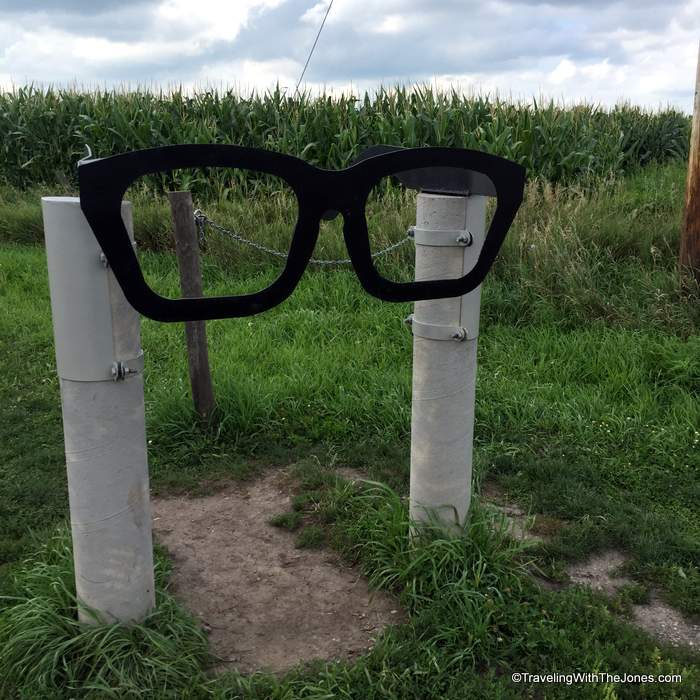
The app allows you to turn your photos into artworks with the use of a number of different art filters.
Buddy Holly memorial, Clear Lake, IowaFor example, I turned this photo of an eye glass tribute to Buddy Holly (located on a gravel road close to Clear Lake, Iowa) into ….

“Glasses” a memorial to Buddy Holly near Clear Lake, #Iowa where he was killed in a plane crash. 6/100 #100daysoftravelphotoart #prisma

A photo posted by TravelingWithTheJones (@travelingwiththejones) on

This artistic image using the Prisma “Roy” filter.

Norwegian fjords #prisma style 1/100 #100daysoftravelphotoart

A photo posted by TravelingWithTheJones (@travelingwiththejones) on

I’m having fun trying out different looks for my photos from the 29 Prisma filters.

100 Days of Travel Photo Art

Each day, for 100 consecutive days, I plan to share one Prisma image on Instagram and Facebook. (I’m only up to day 12/100 so I’ve got a long way to go.)

You can follow my progress by following us on Instagram, or the hashtag #100daysoftravelphotoart.

Once I reach 100 images, we plan to get some of our favorites made into prints or a photo art book.

How do you preserve your favorite travel memories? 

Follow us on Twitter or interact with us on Facebook

Or, check out our boards on Pinterest and/or our photos on Instagram.

{ 0 comments }

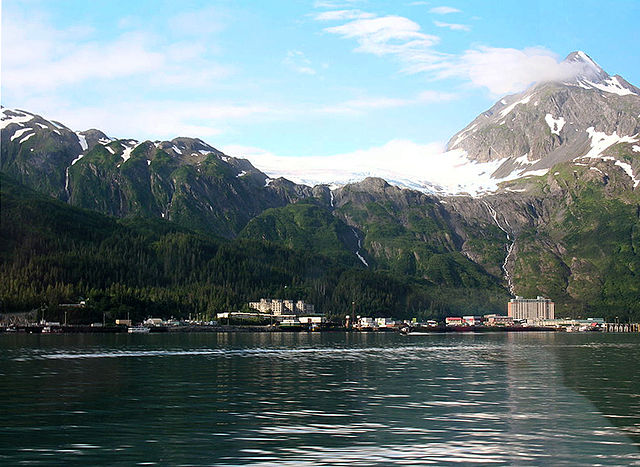
The tiny town Whittier, Alaska is located 58 miles southeast of Anchorage at the head of Passage Canal on the west side of Prince William Sound.

Popular with photographers, hikers and hunters thanks to its natural beauty and wildlife, Whittier is most visited as the embarkation/debarkation point for one-way cruises between Anchorage to Vancouver by Princess and other cruise lines. Whittier is also a port for the ferries on the Alaska Marine Highway.

13 Facts You Might Not Know About Whittier, Alaska

1. Whittier is the wettest city in the United States, receiving an average of 197.8 inches of rainfall each year. The city also averages 249 inches of snow each winter.

2. The area that is now Whittier, Alaska was once part of the portage route that Chugach Natives of Prince William Sound traveled to reach Turnagain Arm for fishing.

3. Prospecting miners used this same passage during the Alaska Gold Rush as the quickest passage from the Sound to Alaska’s Cook Inlet and Interior regions.

4. In 1915, a glacier in the area was named for American poet John Greenleaf Whittier (1807 –1892) known for his anti-slavery writings as well as his book Snow-Bound. The name of Whittier Glacier eventually became the name of the town.

Whittier, Alaska.

5. The area where Whittier sits today was developed during World War II. The United States Army constructed Camp Sullivan, a military facility with a port near Whittier Glacier. When a spur of the Alaska Railroad was completed to Camp Sullivan in 1943, the port became the primary debarkation point for cargo, troops, and dependents of the Alaska Command. Population in the area reached 1,200 people.

6. Since the Port of Whittier was an ice-free, deep water port strategically located to Anchorage and Interior Alaska, the U.S. military planned to develop a large complex in the area for its personnel after World War II. Two large buildings completed between 1953 and 1957 still dominate Whittier’s skyline.

7. In 2016, the city of Whittier is home to 218 citizens, according to its website.

Begich Towers in Whittier, Alaska. Photo by Jessica Spengler.

8. Whittier has been described as a “town under one roof” since most of its residents live within the same 14-story Begich Towers apartment building which includes a post office, a general store, hospital, the Whittier Police Department, and the mayor’s office. There is also a church, a grocery, laundry, a small hotel, conference room, and a play area with an indoor pool within the complex.

9. Completed in 1957, the 150-unit Hodge Building was named for Colonel Walter William Hodge, who was a civil engineer and the commanding officer of 93rd Engineer Regiment on the ALCAN Highway. The apartment building was renamed in 1972 in memory of U.S. Congressman Nick Begich from Alaska who died in a plane disappearance near the area.

The Buckner Building in Whittier, Alaska. Photo by Gabor Eszes (UED77).

10. The Buckner Building — constructed by the military in 1953 – is the other dominant building in Whittier. The building was shuttered in 1966 and remains abandoned today.

11. Whittier suffered $10 million of damage from the Good Friday earthquake on March 28, 1964. It was the largest recorded U.S. earthquake, measuring 9.2 on the Richter scale. The after-quake tsunami that hit Whittier reached 43 ft. in height and killed 13 people.

12. The only way to drive to Whittier is via the 13,300 ft. long Anton Anderson Memorial Tunnel through Maynard Mountain. Both trains and highway traffic use the tunnel at alternating times.

13. Known by locals as the Whittier tunnel or the Portage tunnel, the Anton Anderson Memorial Tunnel links the Seward Highway south of Anchorage with Whittier. It is the longest combined rail and highway tunnel in North America.

Have you visited Whittier, Alaska? What fun fact can you add?

Learn more about Whittier, Alaska with this book:


The Strangest Town in Alaska: The History of Whittier Alaska and the Portage Valley

Check out these other Fun Facts posts:

Follow us on Twitter or interact with us on Facebook

Or, check out our boards on Pinterest and/or our photos on Instagram.
{ 0 comments }
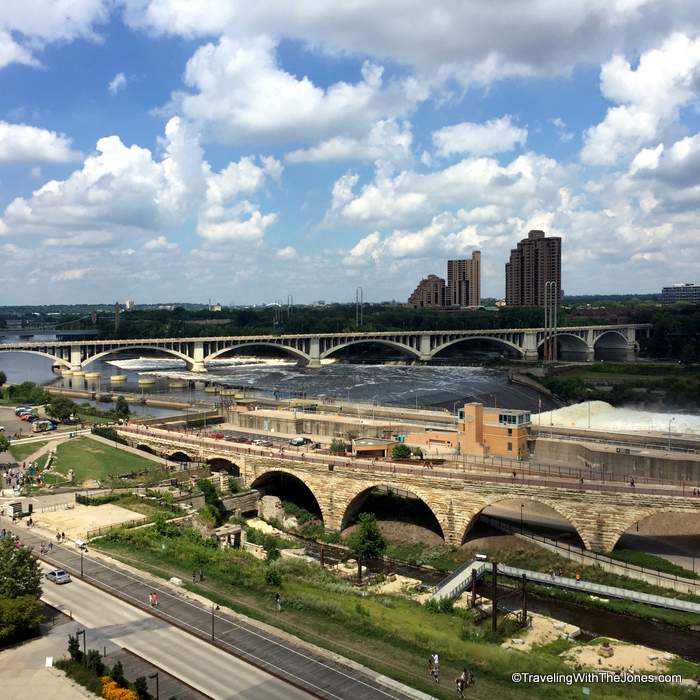
View of Upper Mississippi River from the Mill City Museum in Minneapolis.

Today in downtown Minneapolis, Minnesota, we walked along the river front of the Upper Mississippi River, passing by the Saint Anthony Falls, which was the only major natural waterfall on the river.

The natural falls were channeled into a concrete spillway, and their water power helped Minneapolis become the “Flour Milling Capital of the World” between 1880 and 1930.

Mill City Museum, Minneapolis

We visited the Mill City Museum, which is built within the ruins of the Washburn A Mill, the world’s largest and most technologically advanced flour mill when it was completed in 1880. Millers at this complex owned by Washburn-Crosby Company (the forerunner of General Mills) perfected a revolutionary process for milling that made white flour available to the masses.

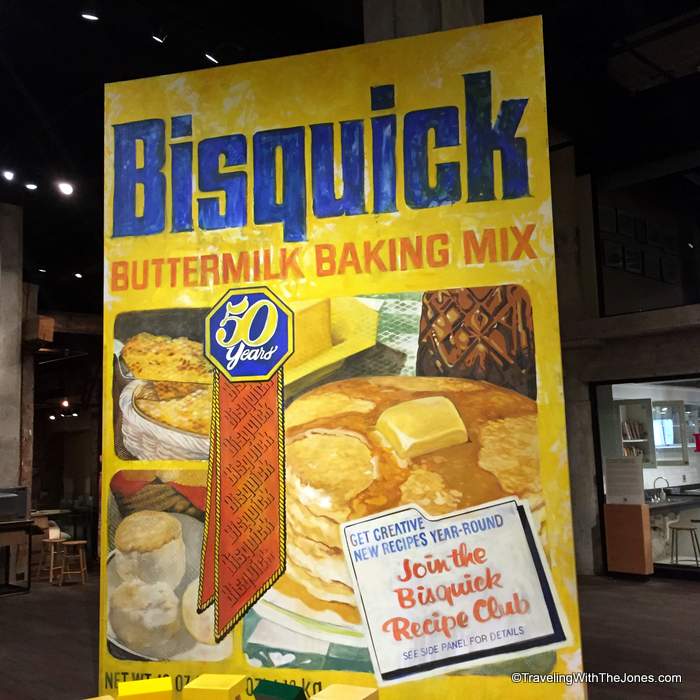
Bisquick display, Mill City Museum, Minneapolis, Minnesota

In the museum’s gallery, you can view vintage advertising for flour products, see 19th-century flour milling equipment and trace the journey of wheat from farms on the surrounding plains to market.

There’s also a water labs you can learn how water power from St. Anthony Falls made Minneapolis the ideal Mill City.

rooftop observation deck, Mill City Museum, Minneapolis

One of the museum’s highlights is the Flour Tower elevator show that transports you through eight levels of the mill, as it would have been found during its heyday.

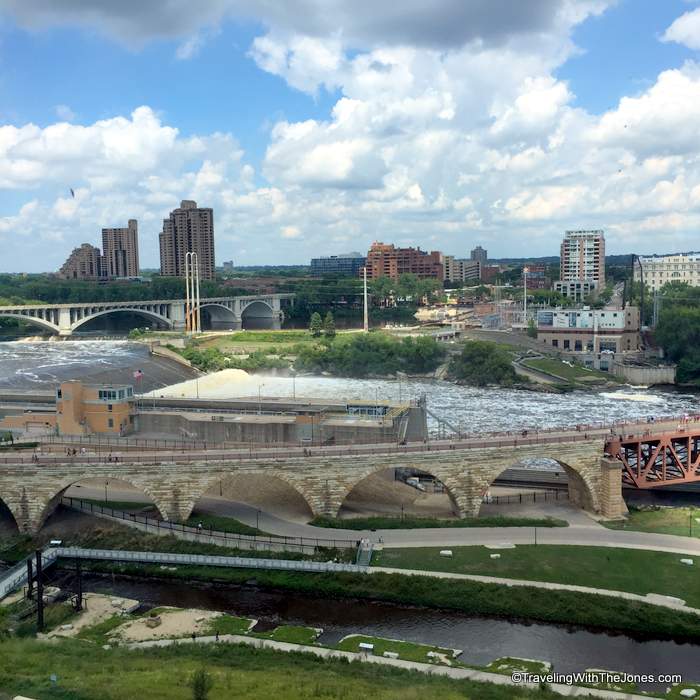
View from the observation deck of the Mill City Museum in Minneapolis, Minnesota

This tour includes a visit to the rooftop observation deck which offers unbeatable views of the Mississippi River and St. Anthony Falls.

The Mill City Museum is run by the Minnesota Historical Society. It is open 7 days a week in July and August, and every day except Monday the rest of the year. We found the museum an interesting way to learn about Minneapolis history, and cool off during a hot and humid July day.


What’s your favorite attraction to visit in Minneapolis, Minnesota? 

Resources to learn more about Minneapolis:

Walking Twin Cities: 34 Tours Exploring Historic Neighborhoods, Lakeside Parks, Gangster Hideouts, Dive Bars, and Cultural Centers


Downtown: Minneapolis in the 1970s


Minneapolis in the Twentieth Century: The Growth of an American City

Check out these other museum visits:

Follow us on Twitter or interact with us on Facebook

Or, check out our boards on Pinterest and/or our photos on Instagram.

{ 0 comments }

For the final installment of our photo tour of the ms Koningsdam, we are sharing views from walking around the ship.

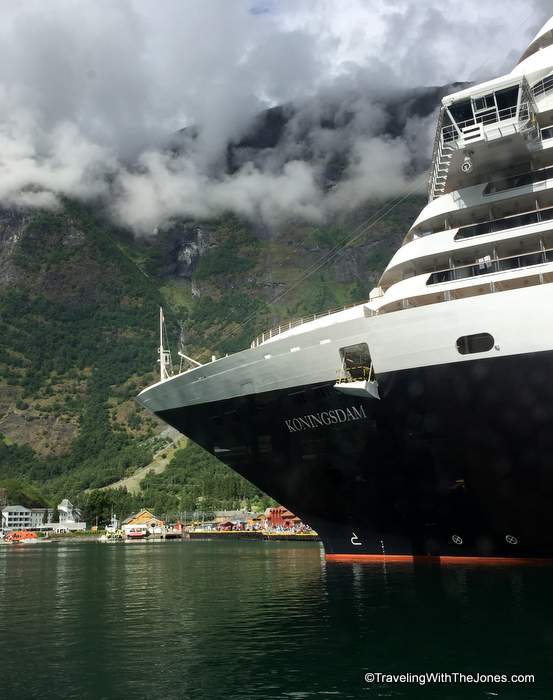
ms Koningsdam, Holland America Line, in Flam, NorwayWe took these photos during our the July 3rd 7-Day Viking Sagas cruise from Amsterdam on Holland America’s newest ship, the ms Koningsdam, pictured while docked in Flam, Norway.

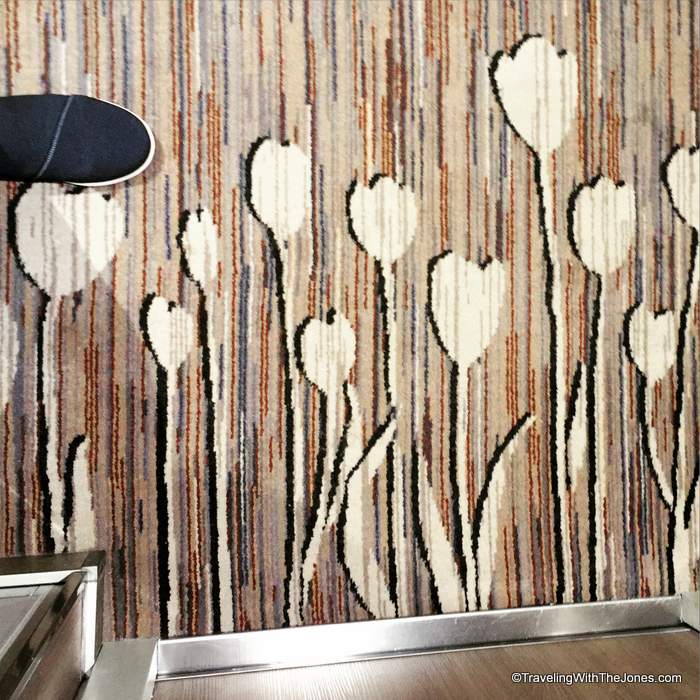
Tulip carpet, ms Koningsdam, Holland America LineAs the first in Holland America’s new, larger Pinnacle Class of ships, the ms Koningsdam has some special touches among its 13 guest decks.  One of those is the hallway carpet. I enjoyed “tip-toeing through the tulips” on throughout the ship.

There is also carpet emphasizing the ship musical inspiration, with different instruments in the pattern.

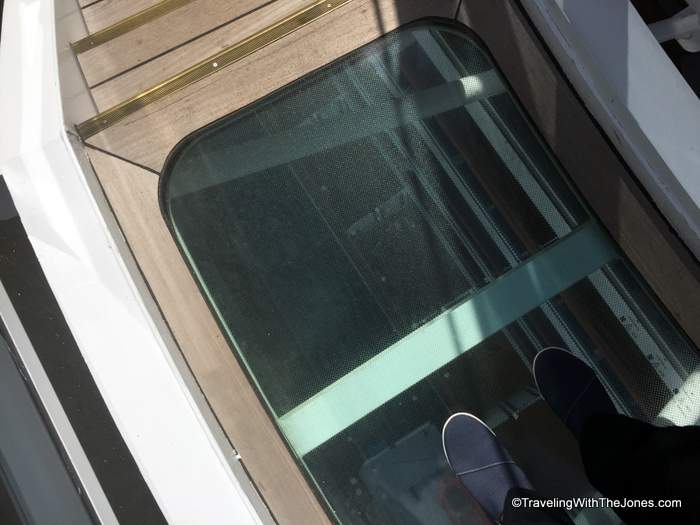
glass-bottom stairway, ms Koningsdam, Holland America LineOn each side of the ms Koningsdam you will find a glass-bottomed stairway connecting two decks that protrudes over the side of the ship.

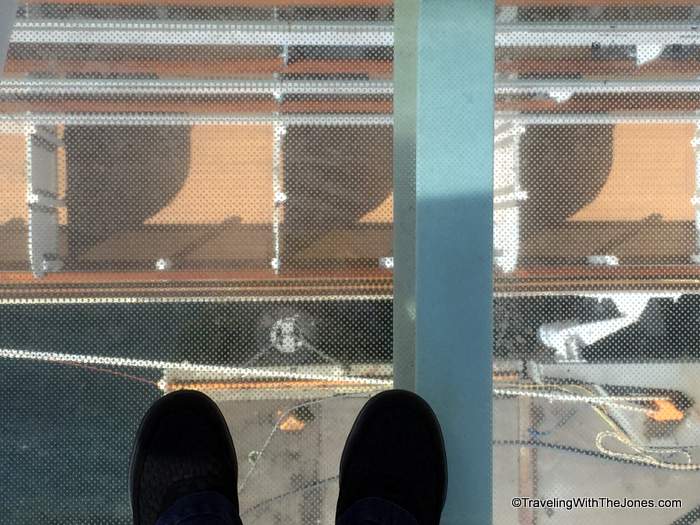
peering through the glass-bottom stairway, ms Koningsdam, Holland America LineThis is a closer look peering through the glass-bottom stairway where you can see verandahs multiple decks below. The concrete pier in the photo above gives a sense of how far the stairway “overhangs” from the side of the ship.

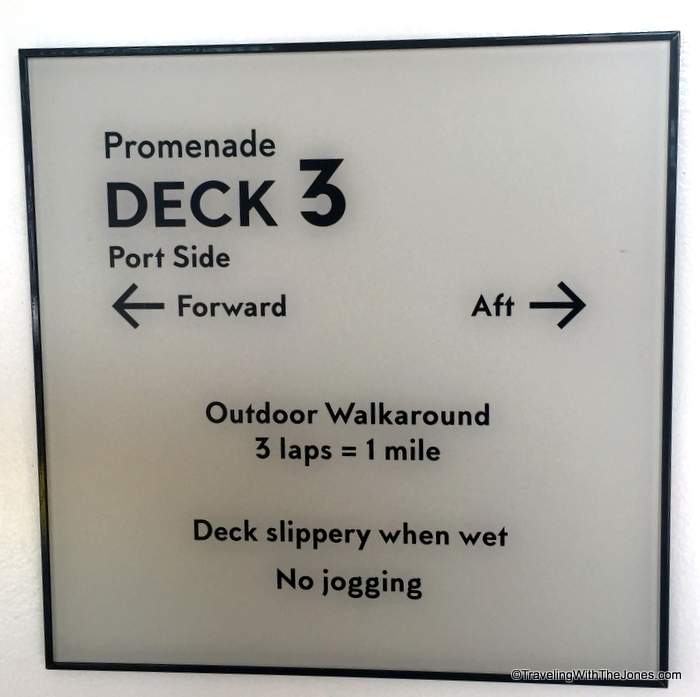
Promenade deck sign, ms Koningsdam, Holland America LineThere has been discussion on Cruise Critic recently as to which direction guests are instructed to walk on the Promenade deck. Above is the sign on the ms Koningsdam, which does not direct walking in a specific direction but does indicate that 3 laps equal 1 mile of walking.

narrow section, Promenade, ms Koningsdam, Holland America LineOne major design change on the ms Koningsdam compared to Holland America other ships is seen on the Promenade Deck. While guests can still walk laps around the ship, the deck is narrow in some spots. In other portions, the view is blocked by the life boats, and the iconic wooden deck chairs are not to be found.

We found walking the deck for exercise and outdoor views still worked for us. If you are a Holland America cruiser who enjoys reading or napping on a deck chair while staring out to sea, the ms Koningsdam is not the ship for you.

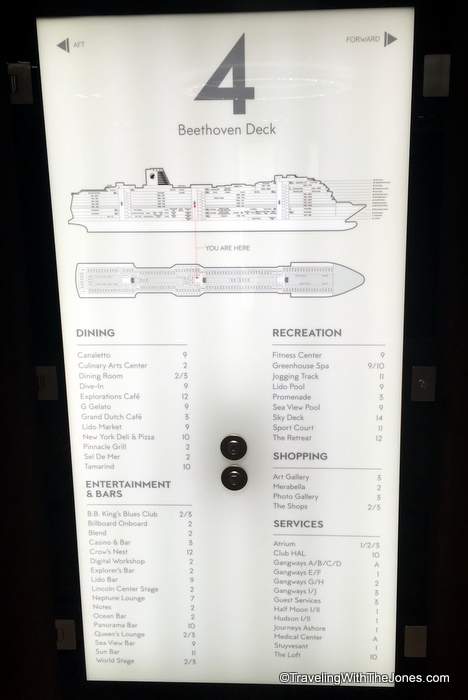
elevator directory signs, ms Koningsdam, Holland America LineSince the ms Koningsdam is a bigger ship with a significant number of new venues, the detailed directory signs by each elevator come in handy when trying to find your way around.

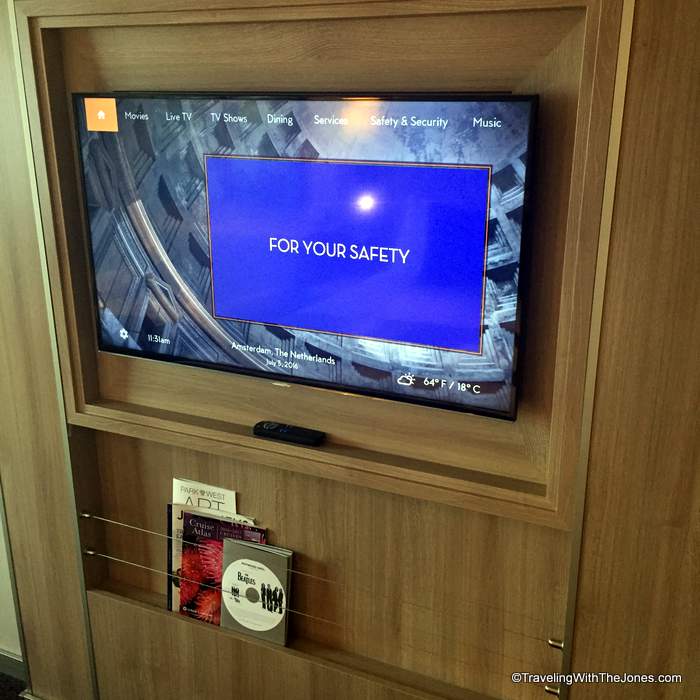
safety video in stateroom, Koningsdam, Holland America LineHow the emergency safety drill is conducted on the first day of the cruise is another significant change for Holland America Line on the ms Koningsdam. Rather than head to an assigned muster station, guests are directed to go to their staterooms and watch the safety video on the interactive television. The cruise director guides this process through the intercom in both English and in Dutch languages.

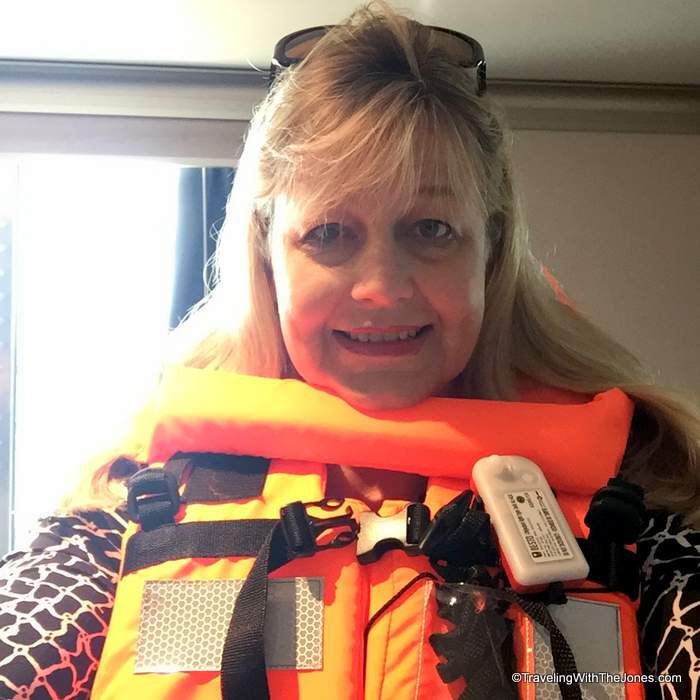
donning life jacket in cabin during emergency drillCruise guests are encouraged to locate their life jackets, and put them on in their stateroom or suite following the video instructions on the television. These life jackets seem to be more robust models than we’ve experienced on other ships.

Then, guests are instructed to leave their life jackets in their cabin for the drill, and to make their way to their assigned muster station.

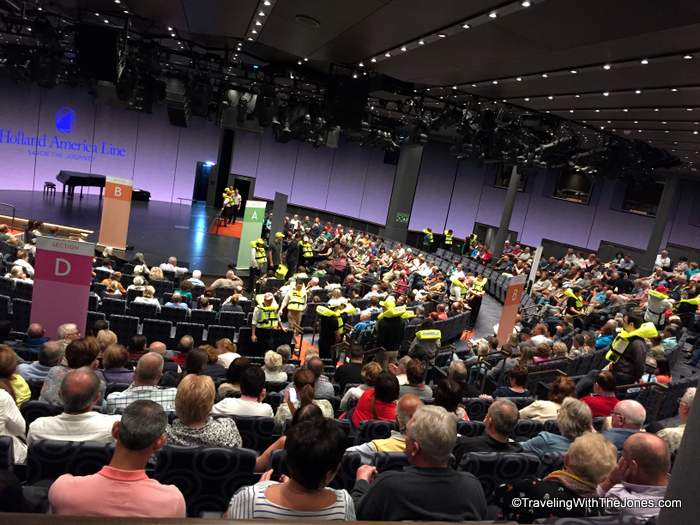
at muster stations, World Stage, ms Koningsdam, Holland AmericaOur assigned muster station was in the World Stage theater on Deck 3, a significant walk from Deck 11. Once you reach you muster station, a cruise staff member scans your room key to mark your attendance.  The captain explains procedures to follow in case of a real emergency.

The entire process took much longer, but is more comfortable than the long wait on the promenade deck while cruise staffers are calling out cabin numbers still found on some other ships.

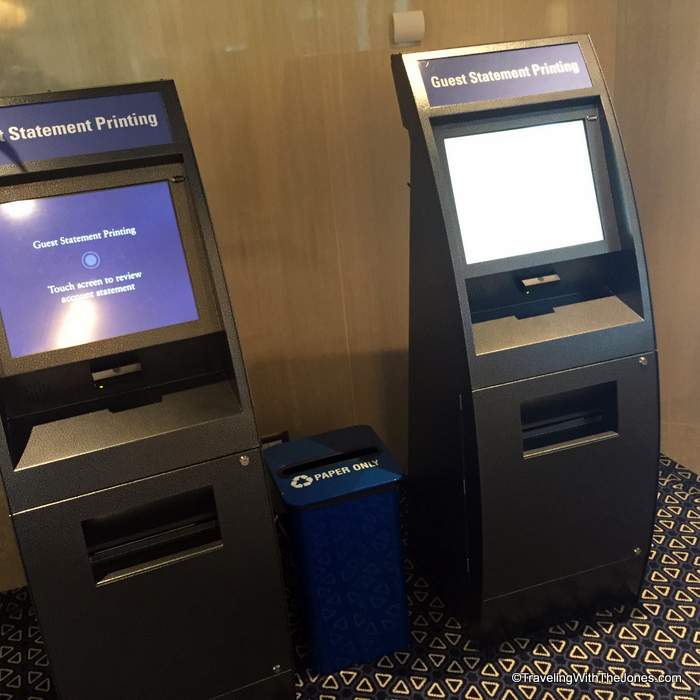
self-service bill printing kiosks, ms Koningsdam, Holland AmericaOn Deck 3 near the front office you will find self-service statement printing kiosks on the ms Koningsdam. This is a quick way to check your bill throughout your cruise, rather than wait in line to have the front deck staff print one for you.

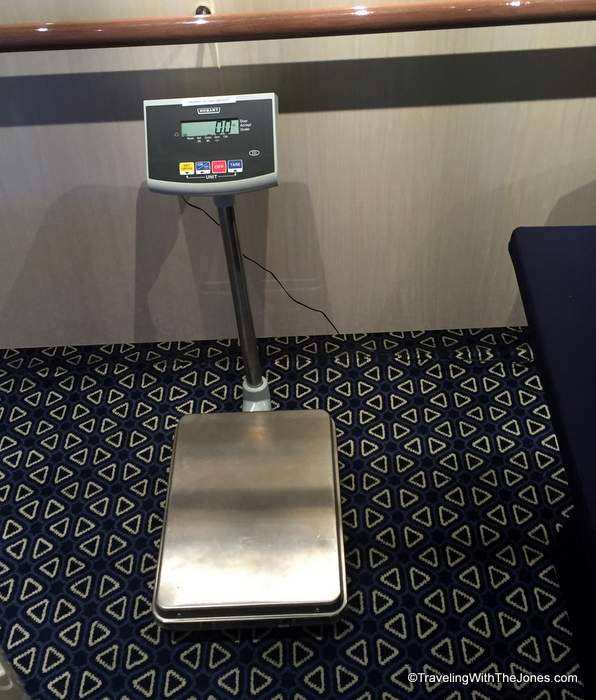
luggage scale, ms Koningsdam, Holland AmericaIn the same area there was a luggage scale for guests who are flying to check the weight of their suitcases.

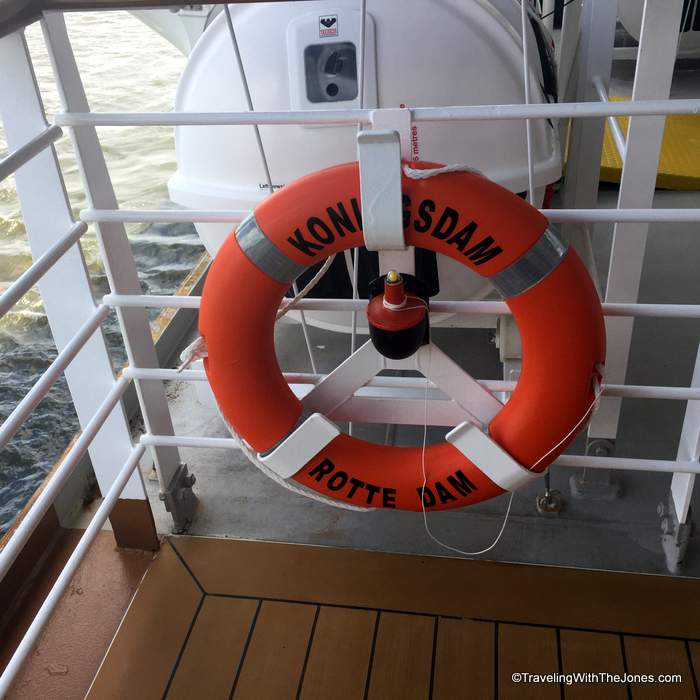
ms Koningsdam, Holland AmericaHave you sailed on Holland America’s ms Koningsdam? What new feature did you find interesting? 

Check out these other Koningsdam photo tour posts:

To tour cabins on other cruise ships, check out these posts:

Follow us on Twitter or interact with us on Facebook

Or, check out our boards on Pinterest and/or our photos on Instagram.

{ 0 comments }