≡ Menu

Travel Tips for People with Disabilities

This is a guest post by Rebecca Moore. 
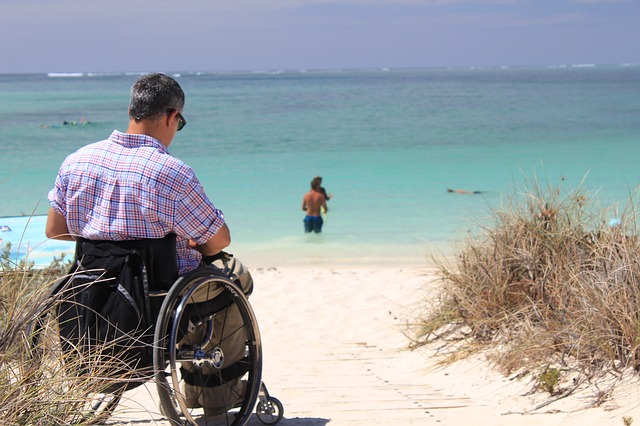
traveling with disabilitiesDo you dream of a life filled with travel and adventure? Many people do, but most don’t pursue that goal for various reasons: kids, jobs, money, and the like. If you have a disability, you might be tempted to close the curtain on your dream of exploring the world due to your physical or cognitive limitations. But you don’t have to close that window of opportunity due to your disability; there are many people with significant disabilities who continue to explore the world using some savvy travel tips.

Always Plan Ahead

You know what accommodations you require for your disability better than anyone. Planning ahead – always planning for worst-case scenarios and having a backup plan whenever possible – can mean the difference between a frustrating trip and an adventure that you can enjoy.

Call all travel providers well in advance to inform them about your disability and explain what accommodations you need. This allows airlines and other travel providers to make sure that any equipment or help is readily available to you on travel day.

Get Clearance from Your Physician and Buy Travel Insurance

It’s always a good idea to get a physical from your healthcare provider and explain the nature of your travel plans. Your physician can give you the go-ahead to take the trip or let you know about any health conditions or other concerns that may prevent you from making the trip.

Additionally, your physician can write a letter explaining your disability and any other medical conditions, provide a list of your prescription medications, and even write special prescriptions to ensure that you have an ample supply of any medications you might need throughout your trip. Finally, getting a travel insurance policy will cover many healthcare needs should you need to visit a doctor or hospital during your trip.

Choose the Right Luggage

The right luggage makes all the difference, particularly for people with disabilities. Make sure your luggage meets airline requirements for physical dimensions and weight, and pack carry-on luggage that you can fit under your seat or in the overhead compartment. Take any medications, documents, and other essentials – or at least a several-day supply – in your carry-on bags in case your checked luggage is lost.

Choose Hotels in the Most Accessible Areas
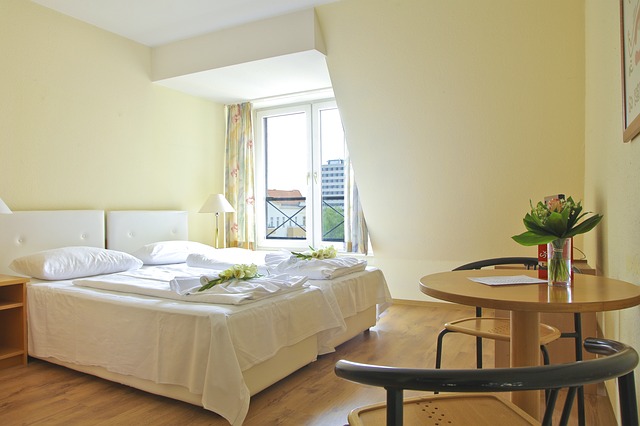
hotel roomA hotel that is able to meet your needs is a must, but this will make little difference in the outcome of your trip if getting anywhere outside your hotel proves next to impossible. Select a hotel based not only on the accommodations they offer but also on its location.

Easy access to accessible transportation, for example, will help you explore the area you’re visiting without spending valuable time trying to find a way to get from point A to point B. Access Hotels is a great resource for finding wheelchair-accessible hotels and hotels with other accommodations.

Learn About Your Destination and Plan Routes and Activities

Doing a little investigative work before you arrive at your destination can pay off and save you hours of time during your trip. If you have specific activities you want to participate in or sights you’d like to see, plan out the best possible route for navigating these areas.

You can also select the activities you want to experience based on how accommodating they are for your specific disability. For instance, if you’re interested in taking a guided tour, look at the tour company’s website and call to discuss what options they offer to make the experience enjoyable for you. If you’re not sure where you’d like to go but are looking for an exciting adventure, look for information on the most-accessible travel destinations.

Don’t let your disability prevent you from exploring the world. By using a few savvy travel strategies, you can visit just about any location no matter your disability.

What strategies and tips can you add for traveling with disabilities? Please share in comments below.

Rebecca Moore, the author of this article, is currently studying health information science. She created AbleRise.net with a friend with the ultimate goal of fostering community mechanisms for seamless acceptance and assistance for those coping with any measure of disability.

You may also want to check out these related posts:

What is Necessary to Travel by Plane with an Emotional Support Dog

Flying Internationally from the U.S. with Diabetic Medications and Supplies

Our #1 Strategy for Staying Healthy When Traveling

Follow us on Twitter or interact with us on Facebook

Or, check out our boards on Pinterest and/or our photos on Instagram.
{ 0 comments }
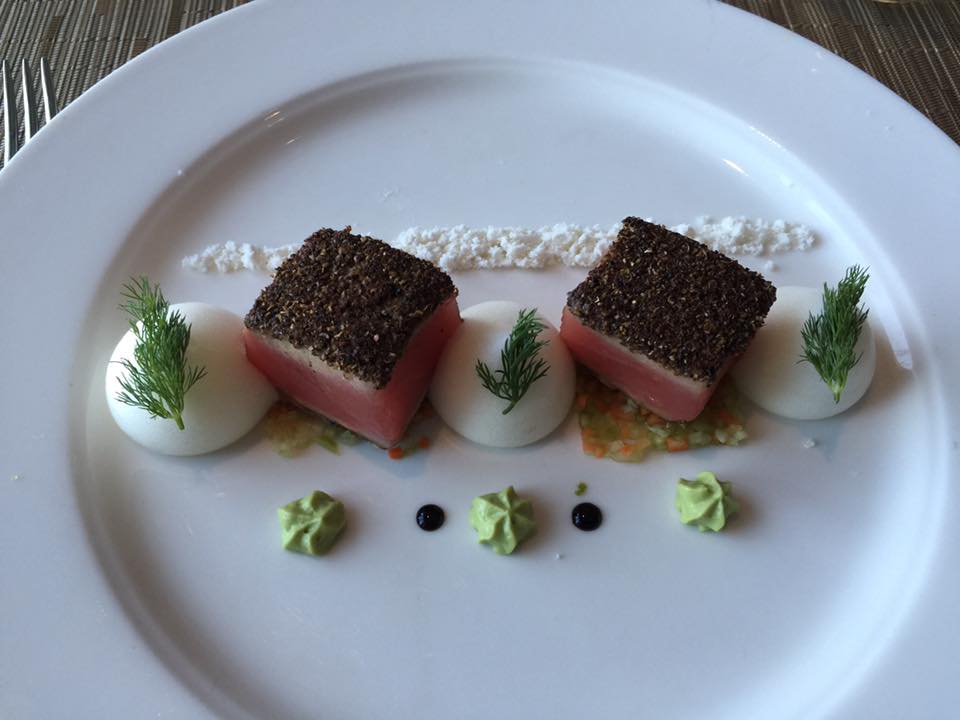
Spicy Tuna Tataki at The Chef's Table, onboard the Viking Star. Photo by Ken Shanahan.

Doesn’t this Spicy Tuna Tataki look delicious? It is the first course of a multi-course tasting menu with wine pairings at The Chef’s Table, one of the alternative dining experiences on the 930-guest Viking Star cruise ship from Viking Ocean Cruises.

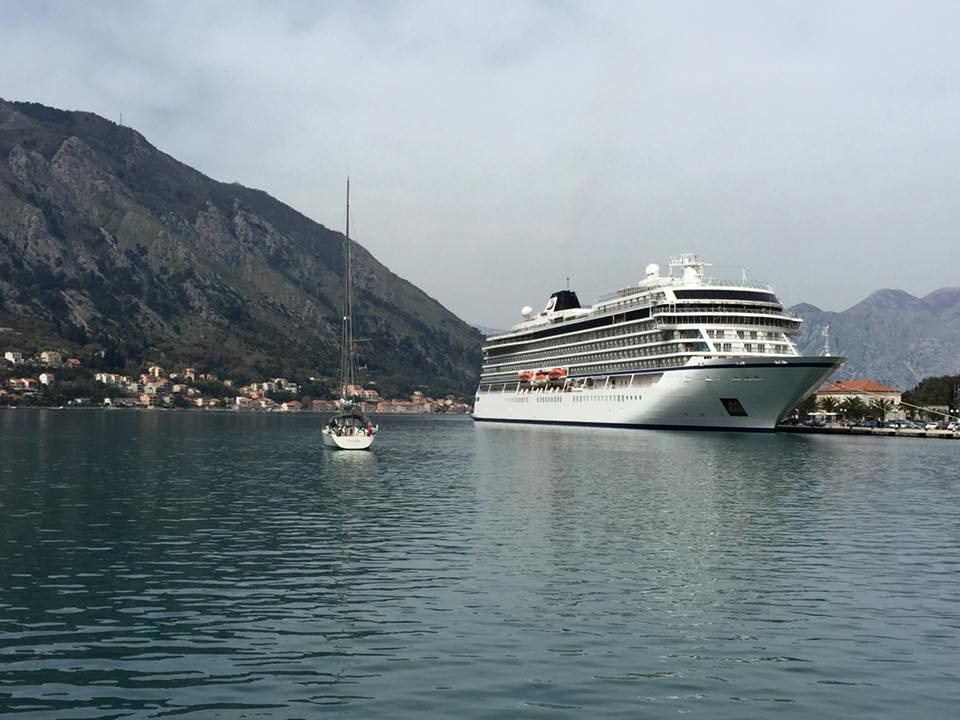
The Viking Star in Kotor, Montenegro. Photo by Ken Shanahan.

Our friends Ken and Fred are sailing on the Viking Star cruise ship throughout Europe, from Istanbul to Stockholm, visiting 35 different ports. The ship is docked at Kotor, Montenegro, in the photo above.

Ken and Fred enjoy food and wine pairing dinners as much as we do, like this Master Chef’s dinner we enjoyed together last year in the Pinnacle Grill while sailing on Holland America’s Nieuw Amsterdam.

We were thrilled that Ken agreed that we could share his photos of The Chef’s Table tasting menu.

Ken and Fred at The Chef's Table, Viking Star

One of the benefits of sailing on Viking Ocean Cruises is that there is no additional charge to dine at the alternative restaurants on the ships. Guests do have to make reservations for these special dining experiences.

Complimentary WI-FI is also available throughout the ship, so guests like Ken can share their photos and stay in touch with family and friends.

Look at these photos that Ken took of other courses offered at The Chef’s Table

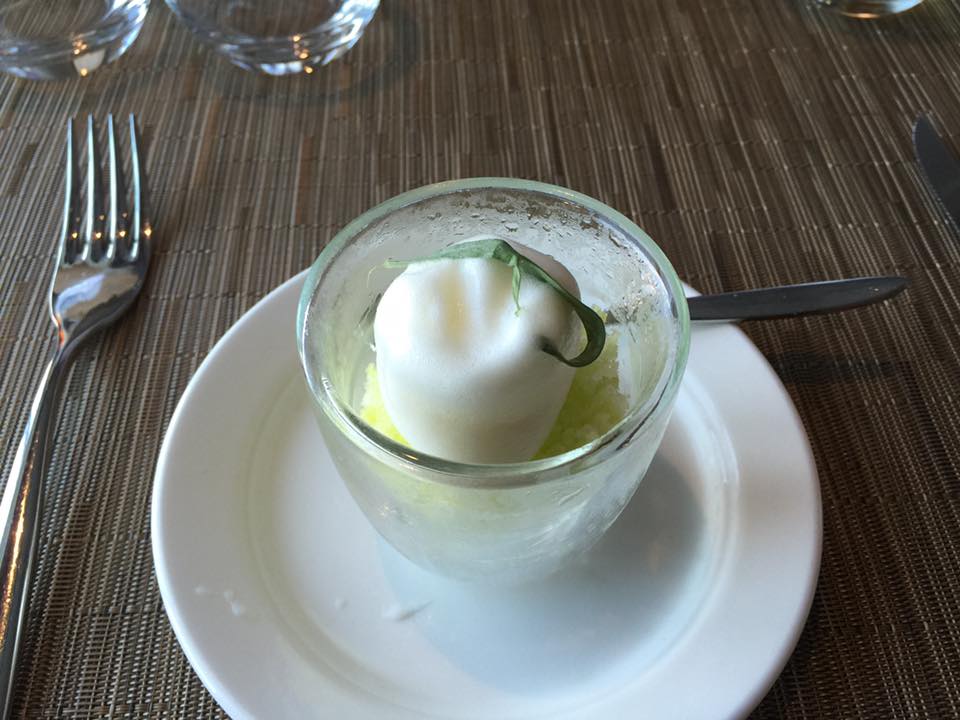
Ginger & Tarragon at The Chef's Table, on board the Viking Star. Photo by Ken Shanahan.

After the Spicy Tuna Tataki appetizer, Ginger & Tarragon sorbet cleanses the palate.

Beef Tenderloin with Four Warm Spices, Chef's Table, Viking Star. Photo by Ken Shanahan.

The main course: Beef Tenderloin with Four Warm Spices. 

Apple Delice Facon Tarte Tatin, Chef's Table, Viking Star, Photo by Ken Shanahan.

Finally, the Apple Delice Facon Tarte Tatin, which is artfully created into a delicious work of art.

Wines are paired with each course at The Chef’s Table.

Other dining options on the Viking Star include the main dining room simply called “The Restaurant,” the World Cafe with both indoor and al fresco dining, Mamsen’s traditional Scandinavian deli serving light meals, and Manfredi’s Italian, the other reservations-only restaurant.  All lunches and dinners include wine, beer and soft drinks severed without additional charge.

Have you sailed on Viking Ocean Cruises Viking Star or the brand new Viking Sea? Which is your favorite dining spot?

Check out these other food and wine posts:

Follow us on Twitter or interact with us on Facebook

Or, check out our boards on Pinterest and/or our photos on Instagram.
{ 0 comments }

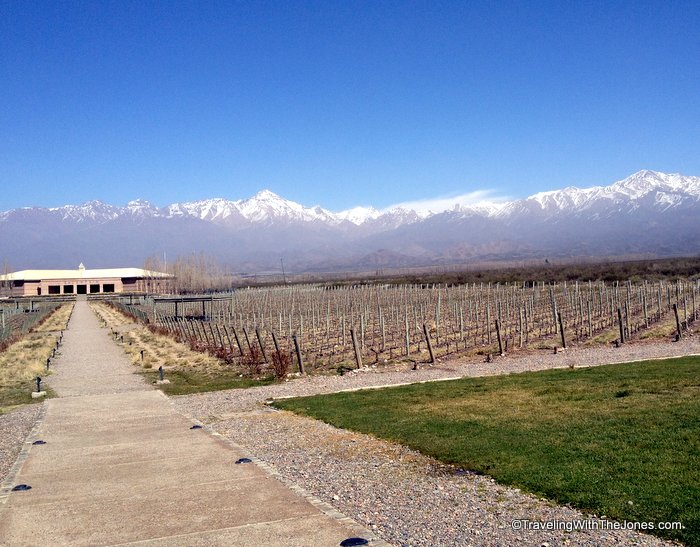
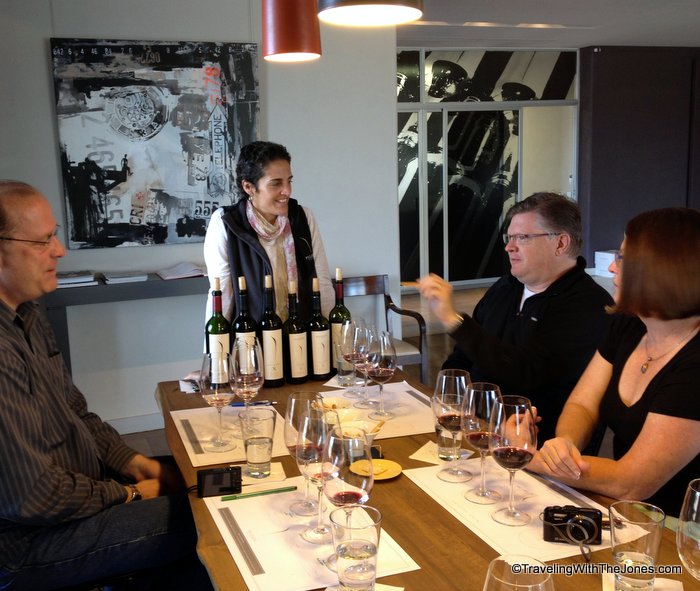
Salentein Winery, Valle de Uco, Mendoza, ArgentinaThe Andes. Malbac wines. Incredible steaks. Hospitable people. Fine leather goods. Empanadas.  These are just a few reasons we’ve found Argentina a wonderful country to visit. Now there is another good reason to plan your trip to Argentina.

U.S. citizens are not required to obtain a visa to visit Argentina for tourist stays of 90 days or less. However, during our two prior visits to Argentina, we had to pay a $160 reciprocity fee at the airport prior to our entry into in Argentina. This reciprocity fee was charged to U.S. citizen tourist and business travelers to Argentina to counter the fees the United States charges Argentine citizens to enter the U.S.

Argentina Just Announced: It Will Suspend the Collection of the Reciprocity Fee from U.S. Passport Holders

This notice from the Embassy of Argentina is great news for U.S. citizens planning to visit Argentina:

In order to strengthen the relationship between Argentina and the United States of America, the Argentine Government has resolved to suspend the collection of the reciprocity fee from US passport holders who visit our country for less than 90 days, for tourist or business purposes.

Buenos Aires, March 24 2016

So, goodbye to the $160 fee to enter the country of Argentina if you are a U.S. citizen.

In Case You Need More Inspiration to Visit Argentina …

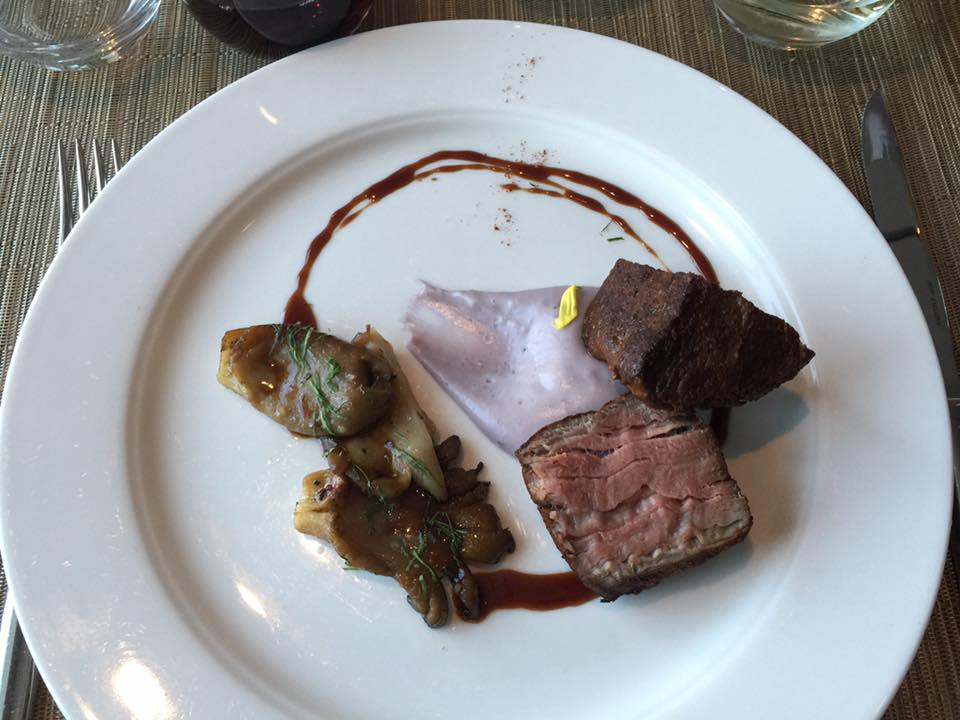
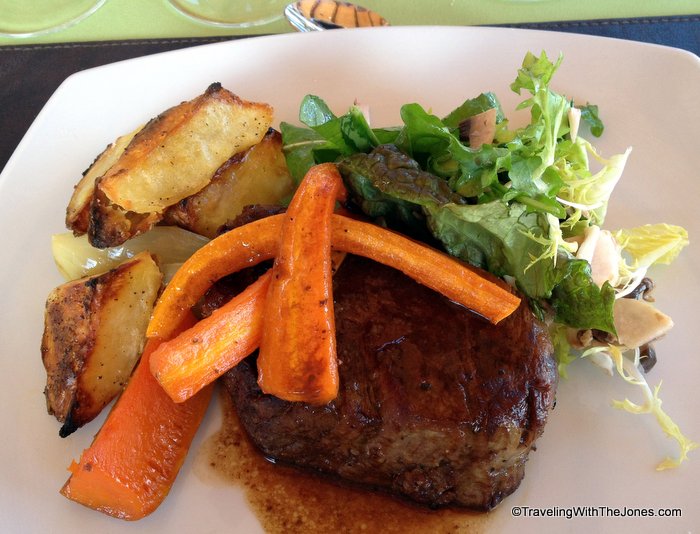
beef filet at Gaia Restaurant at Domaine Bousquet winery, Tupungato, Uco Valley, Mendoza, ArgentinaArgentine steak, like this beef filet at the Gaia Restaurant, enjoyed with the fantastic wines of Domaine Bousquet.

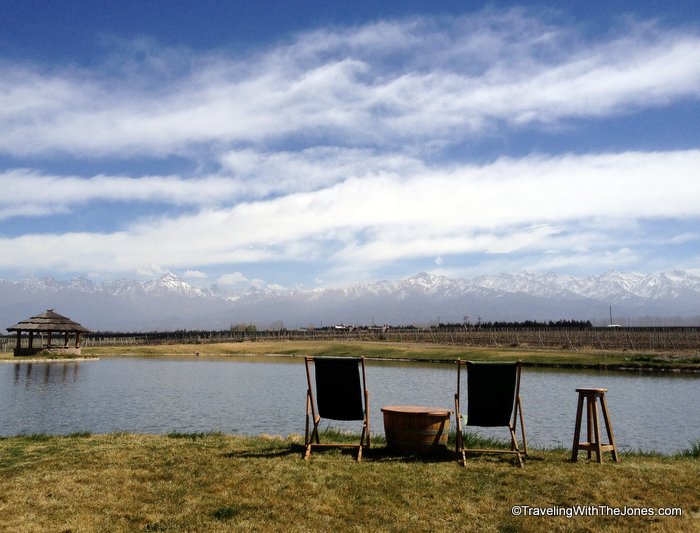
view of Andes from Domain Bousquet, Uco Valley, Mendoza, ArgentinaThis view of the snow-capped Andes Mountains, while enjoy a four-course wine-pairing meal from Gaia on the outdoor deck of Domaine Bousquet winery in the Uco Valley near Mendoza, Argentina.

Wine-tasting with Connie at Pulenta Estate Winery near MendozaWine-tasting with Connie at Pulenta Estate Winery near Mendoza. Unbelievable Cab Franc wine was a wonderful surprise.
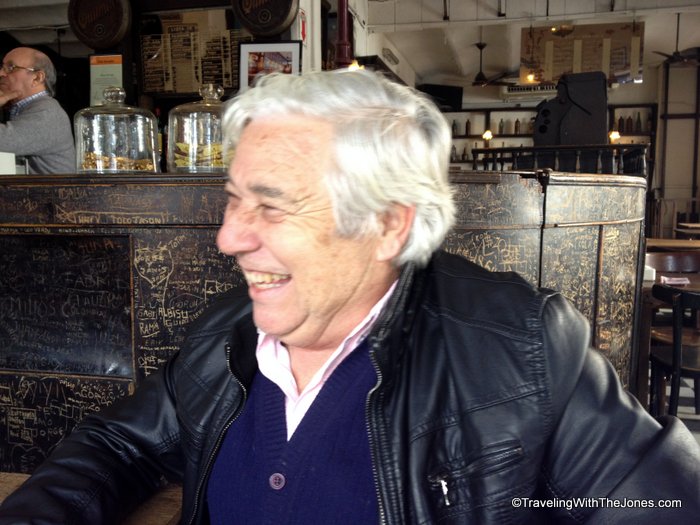
Jorge, our personable guide throughout a food walking tour in San Telmo neighborhood of Buenos Aires.The hospitality of Jorge,
our personable guide throughout a food walking tour in San Telmo neighborhood of Buenos Aires.

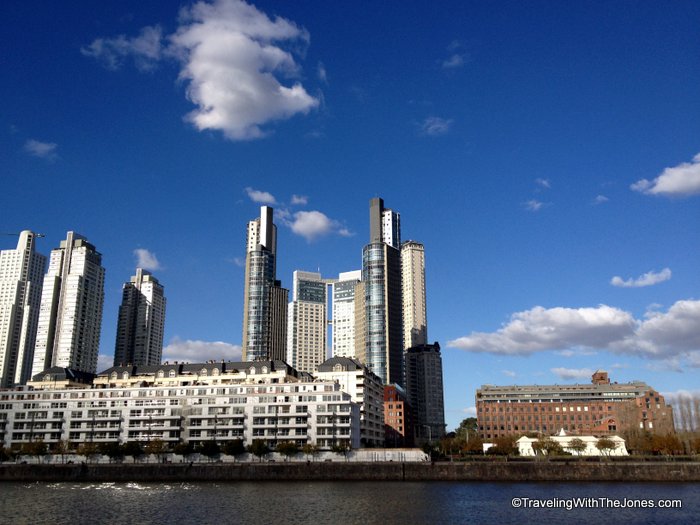
Buenos Aires' fashionable Puerto Madero Waterfront areaThe contrast of the old and the new in Buenos Aires’ fashionable Puerto Madero Waterfront area.

learning how to make empanadas and enjoy mate at the Argentine ExperienceMeeting other travelers while learning how to make empanadas and enjoy mate at the Argentine Experience.

There are so many reasons to visit Argentina. What’s yours? 

Follow us on Twitter or interact with us on Facebook

Or, check out our boards on Pinterest and/or our photos on Instagram.


{ 0 comments }

18 Fun Facts About Taipei 101

We are in research mode for an upcoming visit to Taipei, Taiwan.

Taipei 101 dominates the skyline of Taipei, Taiwan. Photo by peellden.

Taipei 101 dominates the skyline of Taipei, Taiwan. Photo by peellden.

As we are fascinated by tall buildings, Taipei 101 is one of our must-visit destinations while we are in Taipei.

18 Fun Facts About Taipei 101

Taipei 101 in Taipei, Taiwan became the world's tallest building when it opened in 2004. (Photo by Alton Thompson)

Taipei 101 in Taipei, Taiwan became the world’s tallest building when it opened in 2004. (Photo by Alton Thompson)

1. When it was completed in 2004 with a height of 1,670 feet, Taipei 101 was the world’s tallest inhabited building. The building held the “world’s tallest building” distinction until 2010 when it was displaced by the opening of the Burj Khalifa in Dubai.

2. The 101-story skyscraper, located in Taipei’s Xinyi District, did become the tallest and largest “green” building in the world in 2011, when it was awarded the LEED platinum certification under the Leadership in Energy and Environmental Design rating system. The rooftop and facade water recycling system provides 20 to 30 percent of Taipei 101’s water consumption.

3. Construction on the 101-story tower started in 1999 and finished in 2004. A March 31, 2002 earthquake caused a construction crane 47 stories high to crash down onto the road beneath the tower, killing five people. Construction on the building resumed one week later after an inspection indicated that the building had no structural damage.

4. The formal opening of the tower took place on New Year’s Eve 2004 with a ribbon-cutting, open-air concerts and a fireworks show to ring in the New Year.

Fireworks mark the New Year at Taipei 101. Photo by SElefant.

Fireworks mark the New Year at Taipei 101. Photo by SElefant.

5. Ringing in each New Year with fireworks launched from Taipei 101 is a continuing tradition, generally viewed around the world via international New Year’s Eve broadcasts.

6. Taipei 101 was designed to be flexible as well as structurally resistant to withstand gale winds of 134 miles per hour as well as the strongest earthquakes in a 2,500-year cycle. The building is located just 660 feet away from a major fault line.

7. Built of high-performance steel and concrete construction, Taipei 101’s foundation is reinforced by 380 piles driven 262 feet into the ground, extending 98 feet into the bedrock. Each pile is 5 feet around and can be diameter and can bear a load of 1,100–1,460 tons.

The Tuned Mass Damper in Taipei 101. Illustration by Someformofhuman.

The Tuned Mass Damper in Taipei 101. Illustration by Someformofhuman.

8. A 728-ton steel pendulum serves as a tuned mass damper to offset up to 40 percent of the building’s movements caused by strong wind gusts. Visitors who reach the 87th to 91st floors can view the mass damper’s 18-ft-diameter sphere.

9. Two additional tuned mass dampers, each weighing 7 tons, are installed at the tip of the spire to help prevent damage to the structure due to strong wind loads.

Taipei 101 Damper Babies.

Taipei 101 Damper Babies.

10. The damper has a mascot: the Damper Baby, with its own comic book and websiteVisitors can buy four versions of Damper Baby souvenirs in the Taipei 101 gift shops including:  “Rich Gold”, “Cool Black”, “Smart Silver” and “Lucky Red.”

11. In Chinese-speaking cultures the number eight is associated with abundance, prosperity and good fortune. The main tower of Taipei 101 features a series of eight segments with eight floors in each. While the repeated segments were designed to look like a stack of ancient Chinese ingots or money boxes, many humorously note the building resembles a stack of Chinese food take-out boxes.

12. Visitors can reach the tower by taking the Red Line (Xinyi) Metro to the Taipei Metro Taipei 101/World Trade Center Station. The northeast exit directly connects to the basement of Taipei 101.

13. The Taipei 101 Observatory is open every day from 9AM to 10PM. General tickets cost NT$ 500 or about $15 U.S. dollars.

14. Taipei 101 features double-deck elevators that sweep visitors from the fifth floor to the 89th-floor observatory in 37 seconds.

15. The observatory is spread over four floors where visitors can enjoy the fantastic scenery and learn about engineering and construction of Taipei 101 via a free audio tour in 11 languages. Floor 89 features an indoor observatory deck with an unobstructed view of the city in all directions.

Taipei 101 outdoor observatory. Photo taken by Michael Apel.

Taipei 101 outdoor observatory. Photo taken by Michael Apel.

16. On days with favorable weather conditions, visitors can access an outdoor observatory on the 91st floor, accessible by stairs from the 89th floor.

17. The 101st floor houses a private VIP club named Summit 101. Foreign dignitaries, Hollywood film stars, and some shoppers spending more than 1 million Taiwanese dollars in the Taipei 101 Mall have been invited to the VIP club.

18. Since the number four is considered unlucky in Chinese culture, Taipei 101 has no 44th floor. The 44th floor has been replaced by Level 43, with 42A replacing the actual 43 to compensate for the skipped floor number.

There is a multi-story retail mall adjoining the Taipei 101 tower. The mall is home to hundreds of fashionable stores, clubs, and restaurants including Din Tai Fung, a chain restaurant that’s famous for xiao long bao, Taiwanese soup dumplings that we love, and can’t wait to try in this location.

Have you visited Taipei 101? 

Check out these other posts on tall buildings:

Follow us on Twitter or interact with us on Facebook

Or, check out our boards on Pinterest and/or our photos on Instagram.
{ 0 comments }